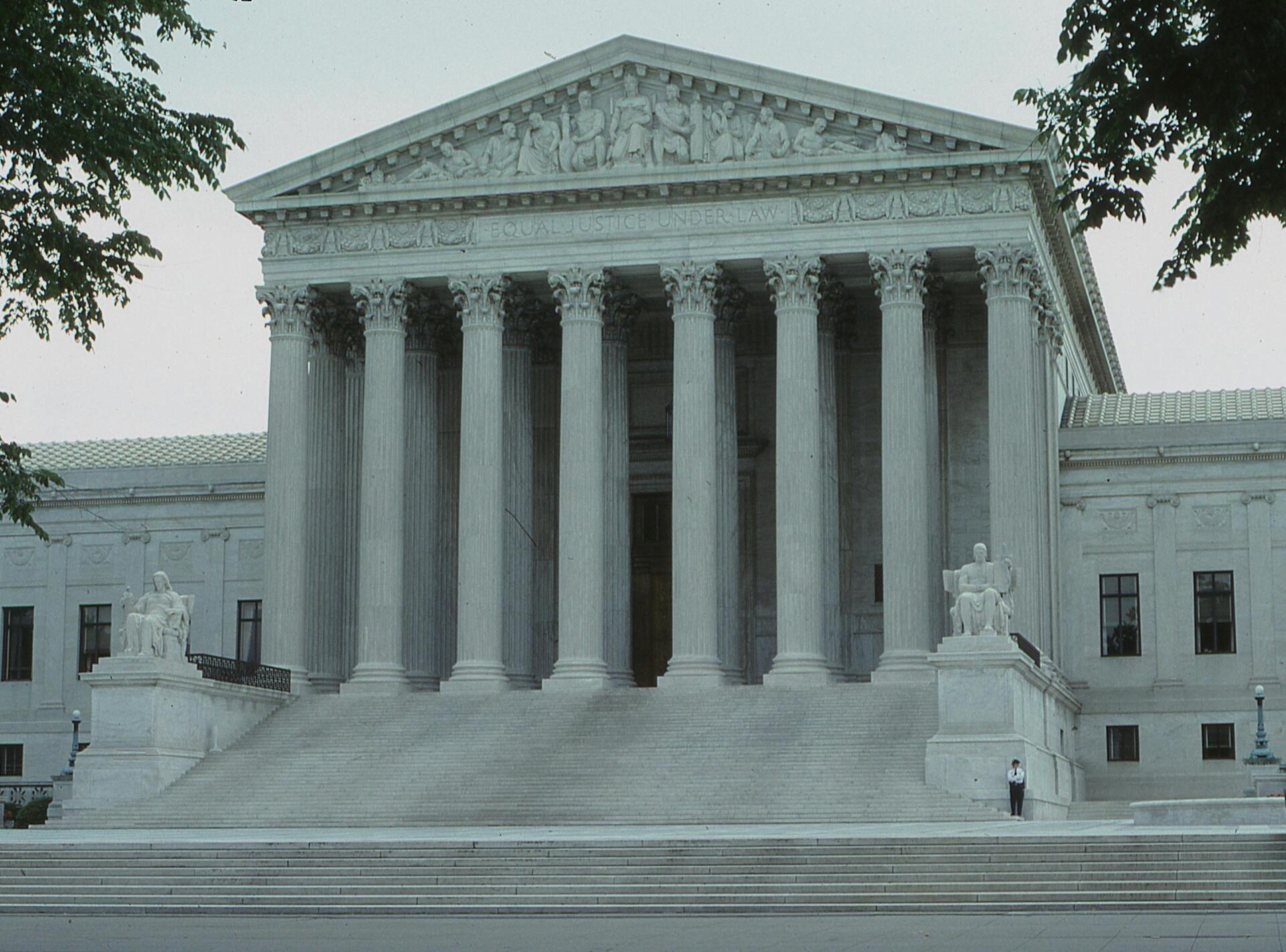
state court cases
VERMONT
- State Attorney General has brought charges against Meta.
- Civil suit charges Meta with violating state consumer protection act.
- State charges Meta with creating addictive
- State claims those feeds are harmful to the mental health of minors.
- Meta attempted to block the case from going forward.
Meta attempted to block this case from being brought, going all the way to the Supreme Court. SCOTUS found that the state of Vermont could proceed with the case.
There are several AGs that are working on similar cases in their states, including Massachusetts, New Hampshire, Mississippi, Oklahoma, Tennessee and Utah.
Many state Attorneys General are also working on a single federal lawsuit addressing this issue.

CALIFORNIA
State Attorneys General from several states brought charges against Meta. Accusations include violating the federal law known as COPPA by keeping and using data from minors under 13 years old. Meta settled the lawsuit in August of 2026.
- Meta agrees to pay app. maximum of $17B over many years
- Meta agrees to limit teen usage using daily limits and nighttime block
- Limits will extend nationwide
- Age verification method remains unsettled
NEW MEXICO
This is another bell weather case that has attempted to breach the protective bubble that currently surrounds the tech industry, a bubble formed by Section 230. While New Mexico is among the first states to bring this type of case to court, many other states are preparing for similar suits. The verdict was announced in March of 2026.
- Jury found Meta violated New Mexico's consumer protection law
- Judge Biedscheid ordered the company to pay $375 million
- Meta says they will appeal the decision.
In May of 2026, the state presented their argument that Meta, in its current form, is a public nuisance. Judge Biedscheid agreed, and fined Meta an additional $567 million. The money will go into a youth mental health abatement fund.

West Virginia
- Filed in February of 2026
- Apple accused of neglecting to take adequate steps to prevent CSAM
- AG alleges that Apple's behavior violates consumer protection laws
Part of the complaint centers around the posting of content through end-to-end encryption. This encryption allows the content to remain private.
By law, online platforms are required to report CSAM (Child Sexual Abuse Material). The state filing sites that “In 2023, Apple made just 267 such reports. By contrast, Google filed 1.47 million reports and Meta filed more than 30.6 million.”
ago.wv.gov/article/west-virginia-attorney-general-sues-apple-role-distribution-child-sexual-abuse-material
Federal court cases
Many of these cases start at the state level. If one of the parties involved in a state level case does not agree with the outcome, they can appeal to a federal court. If one of the parties does not agree with the outcome in federal court, they can petition to have their case heard by the Supreme Court.
Supreme Court
- Free Speech Coalition v Paxton
- Decided in 2025
- Supreme Court found that Texas law could stand.
The Texas law requires sites with a predominance of pornography to verify the age of their viewers using a governmnet issued ID or other third-party verification service.
This case was a major step forward in establishing that the safety of minors supersedes the chilling effect of having people put in personal ID information to prove their age. It gives guidance to the question of privacy vs the need for age verification.
Since this Supreme Court ruling, many states have followed Texas’s example by passing similar legislation.
Check to see if your state has passed any age verification laws by clicking the link here:
note the date at the top of the page